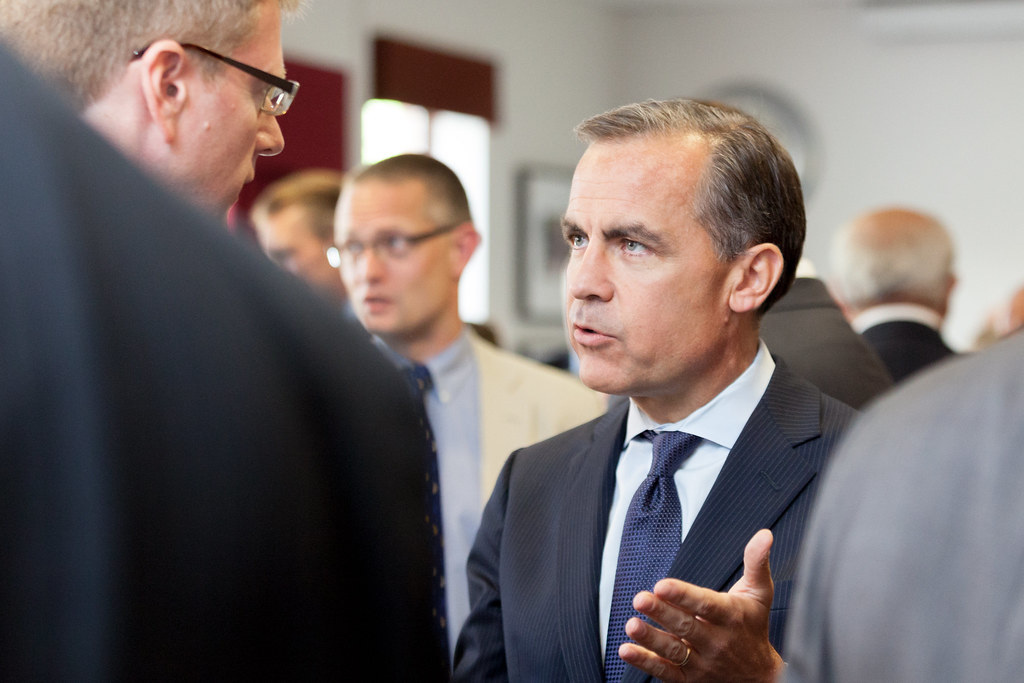
Canada's Prime Minister Mark Carney is navigating complex trade negotiations in China, aiming to reduce Canada's dependence on U.S. Markets while addressing concerns over U.S. Tariffs. During his participation in the APEC summit in Shenzhen, Carney emphasized efforts to diversify trade relations and secure favorable terms for Canadian exporters. The U.S. Tariffs have placed significant pressure on Canadian businesses, prompting Ottawa to seek new markets and strengthen ties with China.
Carney met with Chinese President Xi Jinping, where discussions focused on easing trade restrictions and advancing cooperation in areas such as artificial intelligence governance. He highlighted Canada's model for global AI regulation, signaling a strategic alignment with China. Despite these developments, Carney reassured that Canada's trade relationship with the U.S. Remains a priority, dismissing concerns that closer ties with China could threaten U.S. Interests.
The push to diversify trade comes amid growing public sentiment in Canada against U.S. Policies. A petition with nearly 300,000 signatures calls for the removal of U.S. Ambassador Pete Hoekstra, reflecting frustration over trade tensions. Carney's diplomatic efforts aim to balance these pressures, ensuring Canada's economic interests are protected without alienating key allies.
This diplomatic maneuvering underscores Canada's strategic position in global trade, as it seeks to navigate the shifting dynamics between major economic powers. The outcome of these negotiations will likely shape Canada's economic policy in the coming months.