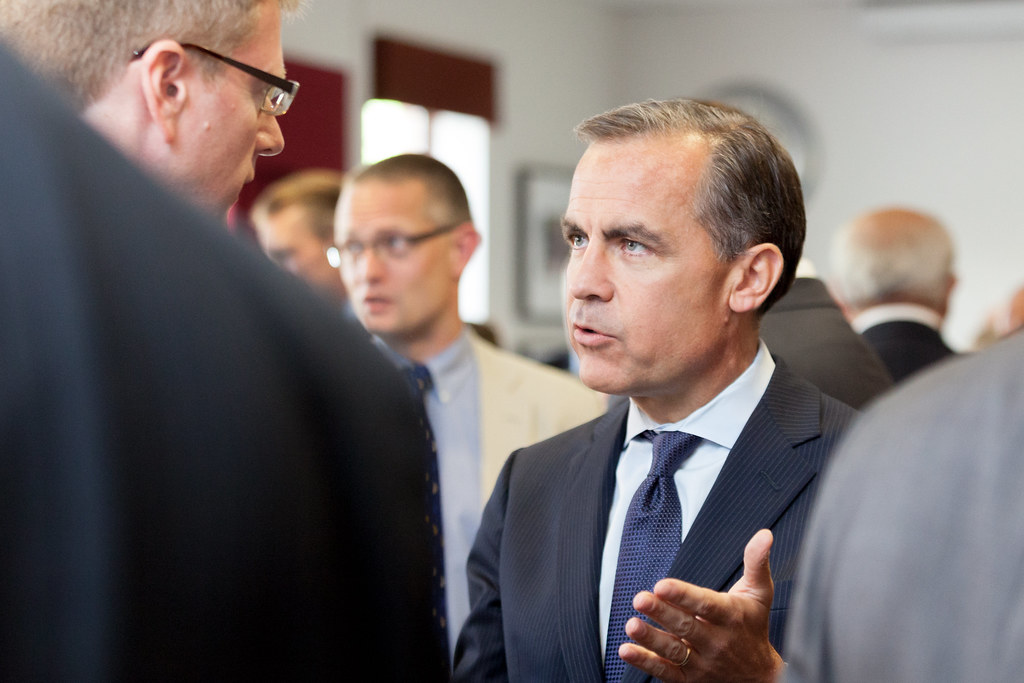
Prime Minister Mark Carney addressed the legacy of Canada’s residential school system during a ceremony in Edmonton on the National Day for Truth and Reconciliation. Speaking at the event, Carney described the period as a “dark chapter” in the country’s history, emphasizing the importance of acknowledging the suffering of Indigenous children. He specifically mentioned those who survived the system and those who did not return home.
Carney’s remarks came as part of broader efforts to address historical injustices and promote reconciliation. The ceremony, held in Edmonton, included speeches and tributes to the survivors and families affected by the residential school system. Carney’s comments align with Canada’s ongoing national dialogue on Indigenous issues, which has gained renewed focus in recent years.
The discussion on reconciliation extends beyond symbolic gestures. Critics argue that economic reconciliation remains a challenge. Wilton Littlechild, who co-chaired the Truth and Reconciliation Commission over a decade ago, had envisioned economic reconciliation as a path to healing and development for Indigenous communities. However, some observers claim that progress has been slow, and current policies have not fully realized this vision.
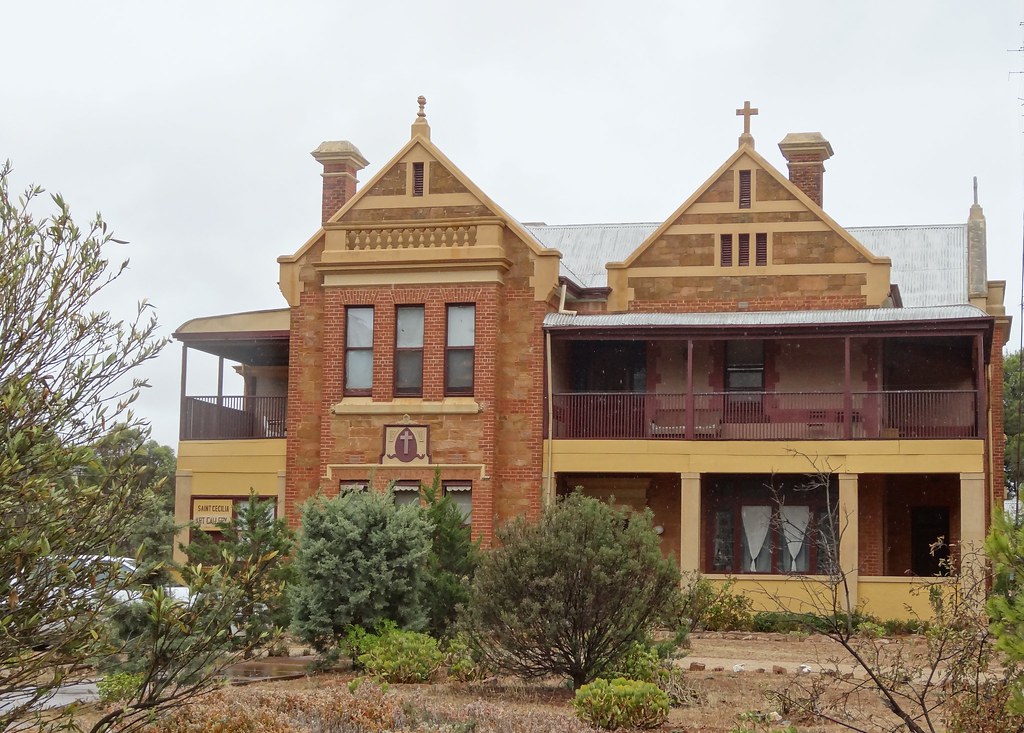
The residential school system, which operated from the late 19th century until the 1990s, aimed to assimilate Indigenous children into Euro-Canadian culture. Thousands of children were forcibly removed from their families and placed in residential schools, often under harsh conditions. The Truth and Reconciliation Commission, established in 2008, documented the systemic abuse and called for national healing.
Carney’s participation in the ceremony underscores the government’s commitment to addressing historical wrongs. However, the path to meaningful reconciliation remains complex, requiring sustained political will and tangible action.