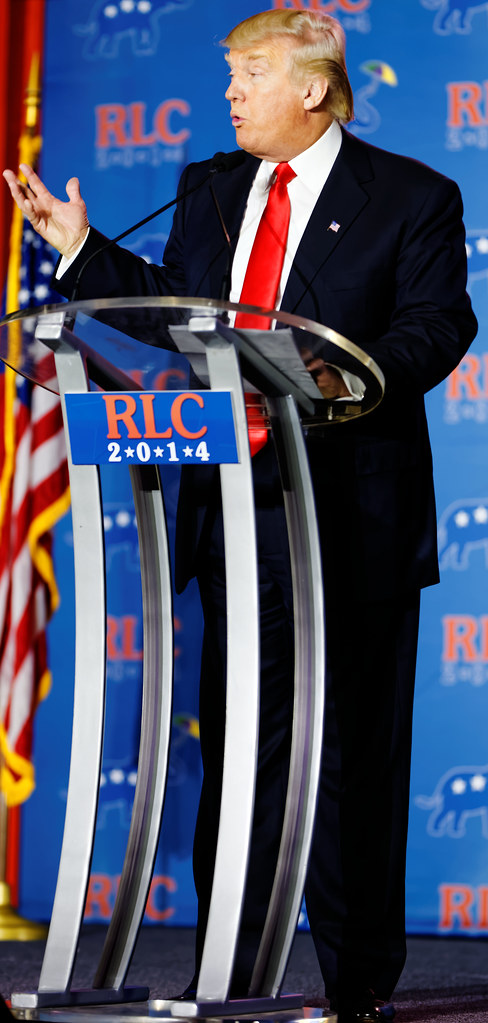
The 2026 U.S. Midterm elections saw Democrats secure control of both the House of Representatives and the Senate, marking a significant shift in Washington’s political balance. The results reflect a nationwide rejection of the Republican Party, with Democrats winning in key states and unexpected regions. This sweeping victory positions the Democratic Party to challenge President Donald Trump’s policies and address pressing issues such as the cost of living and corporate influence in politics.
Voters rejected the president’s party across the country, leading to a dramatic change in congressional leadership. The Democrats’ dominance in both chambers signals a new era of political power, with potential implications for domestic policy and international relations. Human Rights Watch urged the new Congress to prioritize human rights both domestically and globally. Meanwhile, analysts highlighted the role of corporate campaign spending, particularly from the cryptocurrency sector, in shaping the election outcomes.
This shift follows a wave of public dissatisfaction with the previous administration, driven by economic concerns and demands for political reform. The election results also have ripple effects beyond the U.S. Influencing trade relations and international alliances. As the new Congress prepares to take office, the focus will be on legislative priorities and the challenges of governing in a politically transformed landscape.