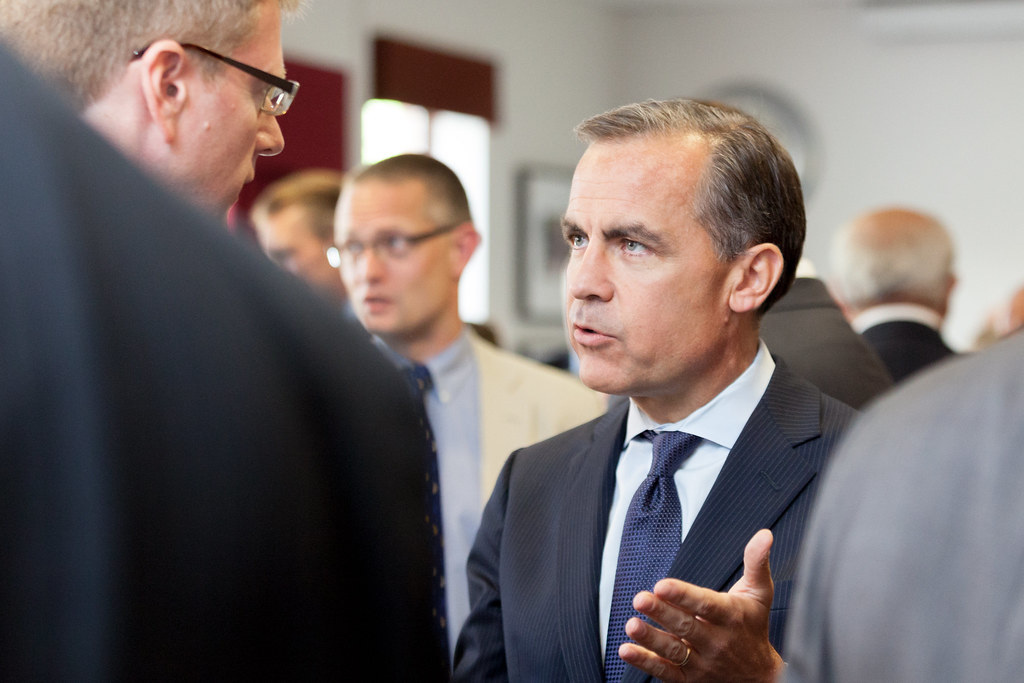
Prime Minister Mark Carney has reiterated Canada’s stance against allowing Russian and Belarusian athletes to compete in the upcoming World Junior Hockey Championship, a decision backed by hockey icon Wayne Gretzky. The tournament, set to take place in Alberta, will exclude players from Russia and Belarus while the war in Ukraine continues. Carney’s position aligns with broader diplomatic efforts to isolate Russia over its actions in the conflict.
The decision follows a growing international consensus to sanction Russian athletes in response to the ongoing war. Canada’s move reflects a strategic alignment with Western allies, emphasizing the use of sports as a tool for political messaging. Gretzky, a former NHL legend, publicly endorsed the ban, stating that the decision was clear and necessary. His support underscores the cultural and political weight of hockey in Canadian society.
Carney’s government has faced scrutiny over its economic policies, including a recent $142 billion spending plan aimed at boosting growth and addressing affordability issues. However, the Russia ban highlights a shift toward more assertive foreign policy, particularly in response to the Ukraine conflict. The decision also raises questions about the role of international sports events in geopolitical tensions.
The World Junior Hockey Championship, a key event in the international hockey calendar, has seen similar bans in the past, notably during the 2022 Winter Olympics. Canada’s current stance reflects a broader trend of using sports as a platform for political statements. The exclusion of Russian athletes is expected to impact the tournament’s dynamics, potentially altering the competitive landscape.
The move has drawn mixed reactions, with some praising Canada’s firm stance and others criticizing the use of sports as a political weapon. As the tournament approaches, the focus remains on the implications of this decision for international relations and the future of sports diplomacy.