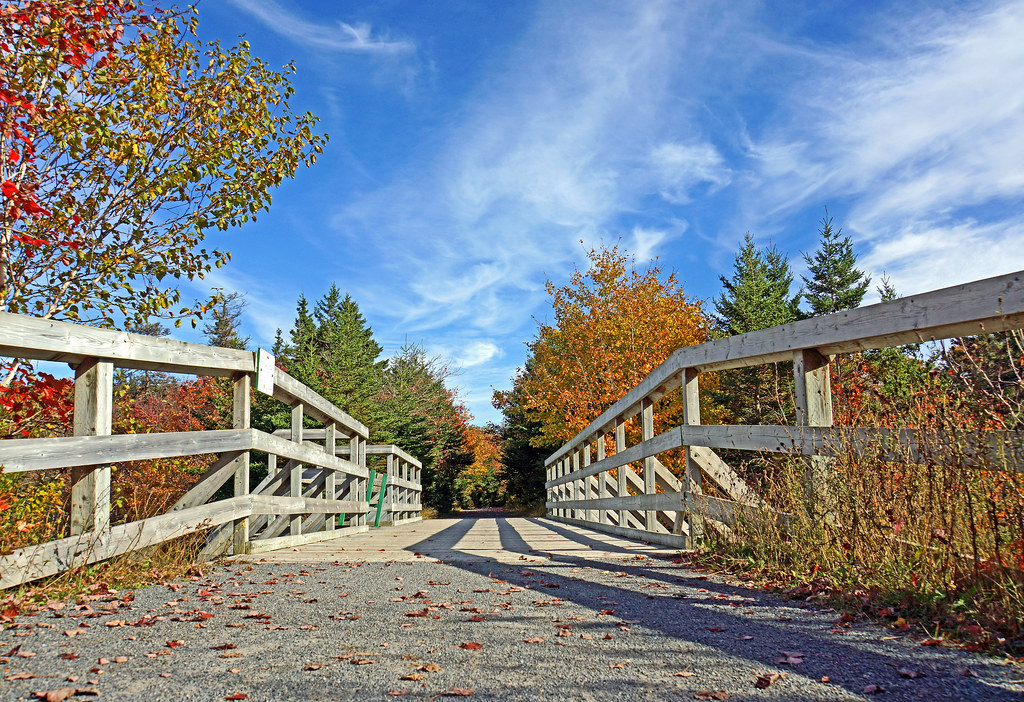
This fall, leaves in Saskatchewan have remained on trees longer than usual, with some still clinging to branches despite the arrival of winter. Researchers note that this phenomenon is not isolated to the province but is part of a broader trend across much of Canada. The delay in leaf drop is attributed to a combination of factors, including warmer-than-average temperatures and a lack of early frost.
The prolonged presence of leaves is linked to the influence of El Niño, a climate pattern that has contributed to milder conditions in the region. Scientists observed that the absence of typical autumn cold snaps has allowed trees to retain their foliage longer. In some areas, leaves have not fallen until recent weeks, when strong winds and the first snowfall finally triggered their descent.
This pattern reflects broader changes in seasonal weather patterns, with Canada experiencing increasingly unpredictable climate conditions. The delayed leaf drop is part of a growing body of evidence suggesting that climate change is altering traditional seasonal cycles. While the immediate impact is primarily ecological, researchers warn that such shifts could have long-term implications for local ecosystems and agricultural planning.
The situation in Saskatchewan highlights the complex interplay between weather patterns and environmental change. As climate conditions continue to evolve, the timing of seasonal events may become less predictable, affecting both natural habitats and human activities that rely on consistent seasonal rhythms.