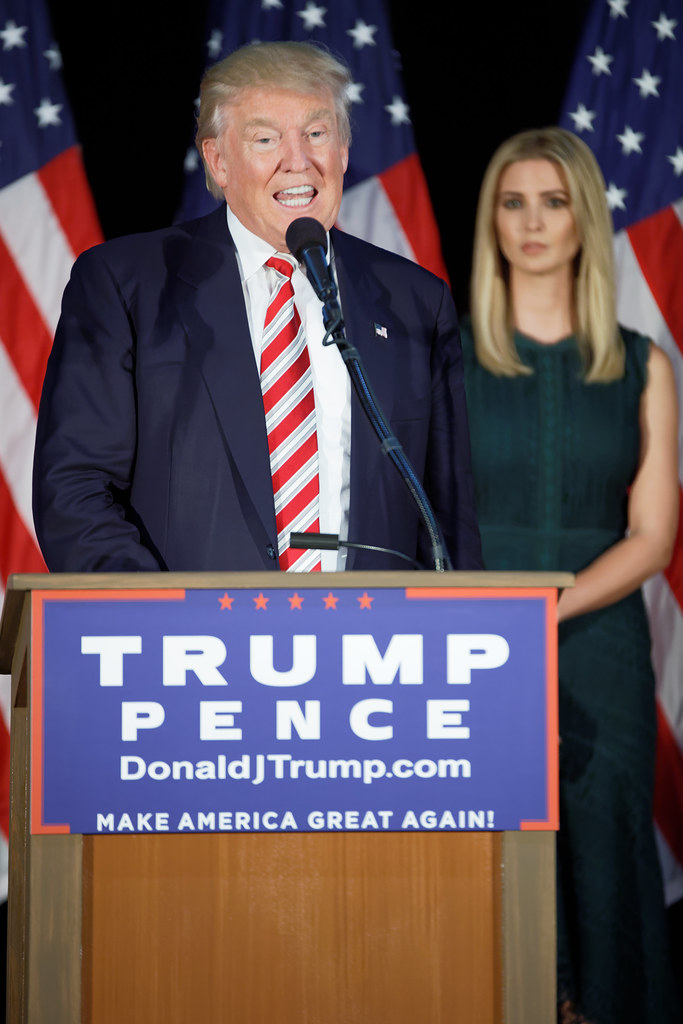
U.S. President Donald Trump claimed credit for the release of European diesel reserves, stating he had urged allies to lower soaring fuel prices. The move comes amid growing concerns over a global diesel shortage, with markets reacting to potential fuel supply easing.
European countries and International Energy Agency members reportedly agreed to release additional oil stocks following U.S. Pressure. This decision follows reports of sharply rising oil prices, with Brent crude futures dropping 2.5% to $99.78 a barrel. U.S. West Texas Intermediate crude also saw a decline, reflecting market uncertainty.
The U.S. Has not imposed a ban on diesel exports, as Trump reiterated during a press briefing. This stance aligns with his broader strategy to influence global energy markets and reduce pressure on American consumers. The release of oil reserves is seen as a temporary measure to stabilize prices, though long-term supply issues remain unresolved.
The G7 nations, including major oil producers, have been under pressure to act swiftly to prevent further price spikes. The decision to release reserves follows weeks of diplomatic discussions, with the U.S. Playing a central role in urging immediate action. Analysts suggest the move may help ease short-term shortages but does not address underlying supply constraints.
This development highlights the growing influence of the U.S. In global energy policy, particularly in times of crisis. As markets continue to monitor supply dynamics, the long-term impact of the reserve releases remains to be seen.