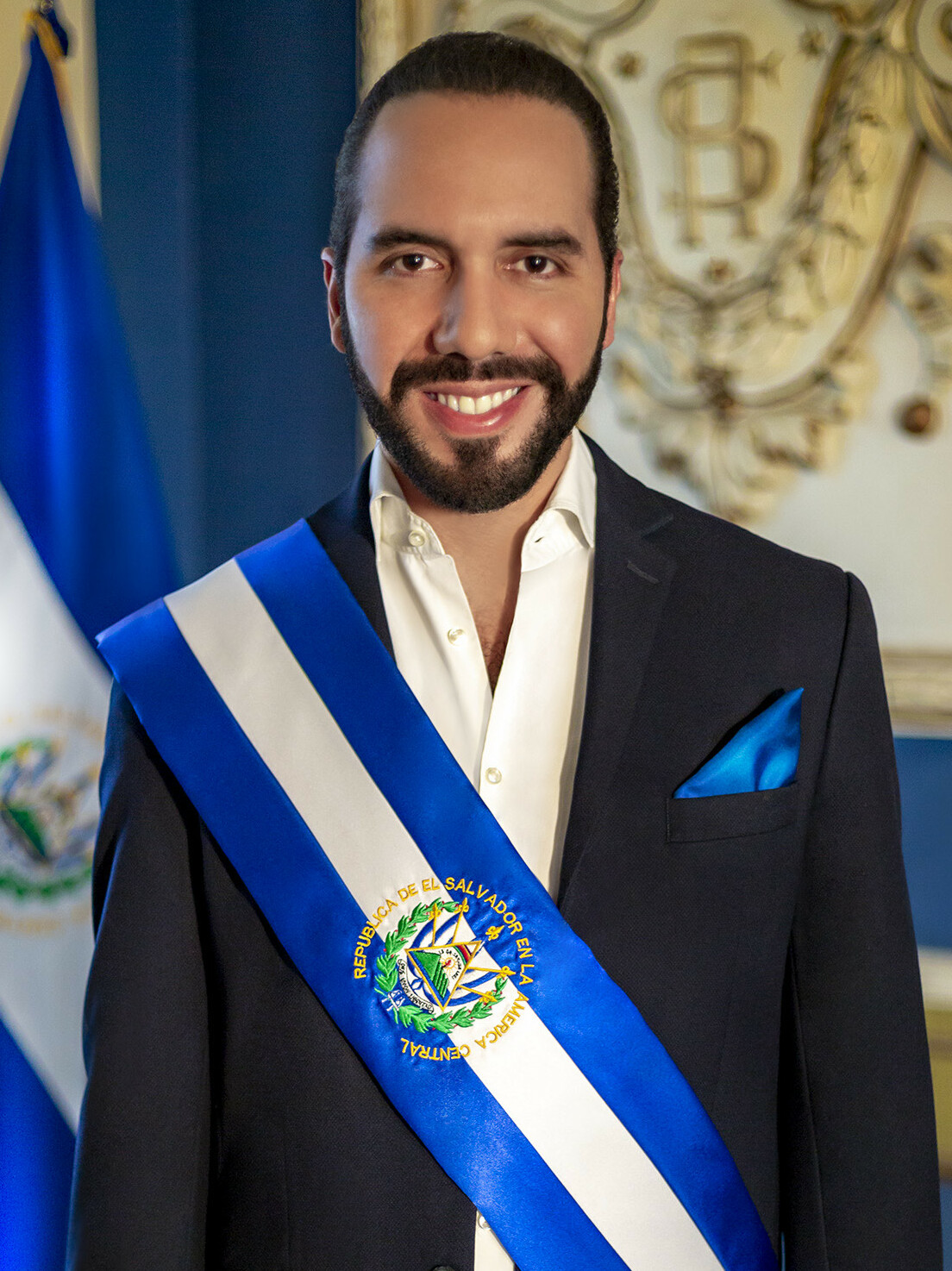
El Salvador’s President Nayib Bukele announced a plan to release up to 50% of detainees held under the country’s state of emergency. The measure targets individuals arrested since March 2022 in a campaign to dismantle violent criminal gangs. Authorities have detained over 90,000 people under the emergency decree, which suspends constitutional guarantees.
Bukele’s proposal includes conditional release for those deemed to have low involvement in criminal activities. The plan aims to reduce overcrowding in prisons and address concerns about the prolonged detention of non-violent offenders. The government maintains that many detainees are still considered dangerous and should remain incarcerated.
The state of emergency, enacted in 2022, has been a central part of Bukele’s strategy to combat organized crime. It allows for swift arrests and extended detention without full judicial oversight. Critics have raised concerns about due process and human rights violations. The proposed release plan reflects a shift in approach, balancing security with legal accountability.
The policy follows similar initiatives in neighboring countries, including Costa Rica’s construction of a high-security prison modeled after Bukele’s anti-gang detention centers. The move also echoes discussions in Brazil, where political figures have cited Bukele’s strategies as inspiration.
The decision comes amid ongoing debates about the effectiveness and legality of the anti-gang campaign. While the government argues that the measures are necessary for public safety, opposition groups and human rights organizations have called for greater transparency and legal safeguards. The implementation of the release plan remains pending further legal and administrative steps.