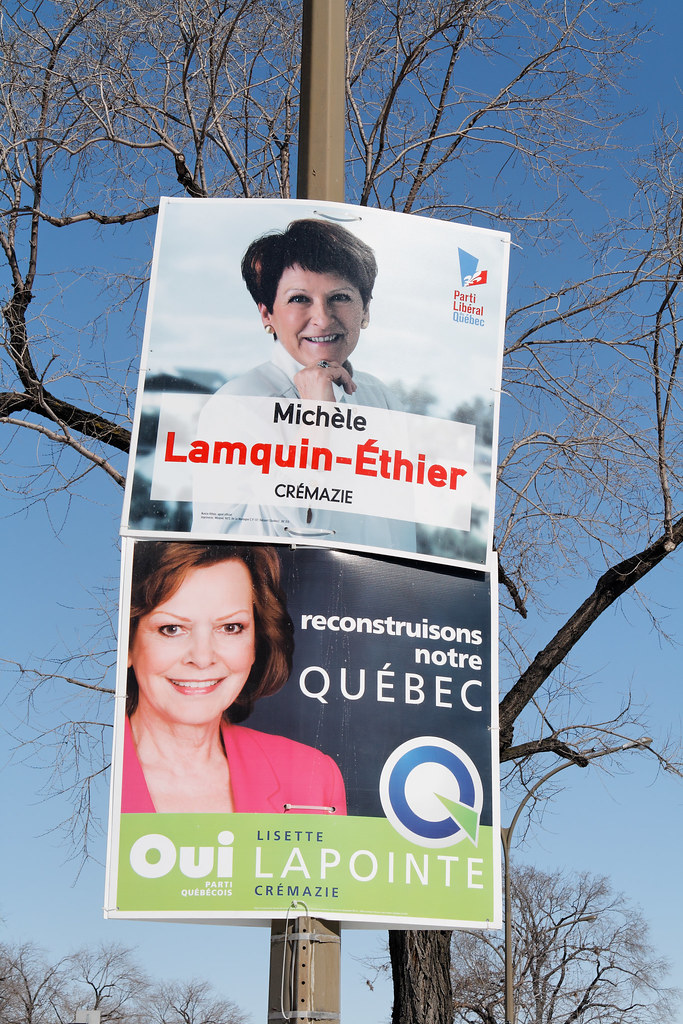
The Parti Québécois has won the Quebec provincial election, securing enough seats to form a minority government. Paul St-Pierre Plamondon, the party’s leader, will become Quebec’s next premier. The victory marks a significant political resurgence for the sovereigntist party, which had been in decline for over a decade.
The election results show the PQ has regained parliamentary power after years of being reduced to just three seats. This comeback has been described as dramatic by political analysts. The party’s success is seen as a step toward a potential third sovereignty referendum, which could be a major turning point for Quebec’s political future.
The PQ’s rise follows eight years of governance by the Coalition Avenir Québec, which has been almost entirely wiped out in the election. St-Pierre Plamondon has already outlined key priorities, including reducing bureaucracy and abolishing the monarchy in Quebec. These proposals reflect the party’s long-standing goal of greater autonomy for the province.
The election outcome has raised questions about the future of Quebec’s relationship with Canada. While the PQ has not yet announced a specific timeline for a referendum, the victory has set the stage for renewed discussions on sovereignty. Political observers note that the PQ’s success could influence national debates on provincial autonomy and self-governance.
The PQ’s victory is seen as a symbolic shift in Quebec’s political landscape, with implications for both provincial and national politics. As the party moves forward, its agenda will be closely watched by political analysts and citizens alike.