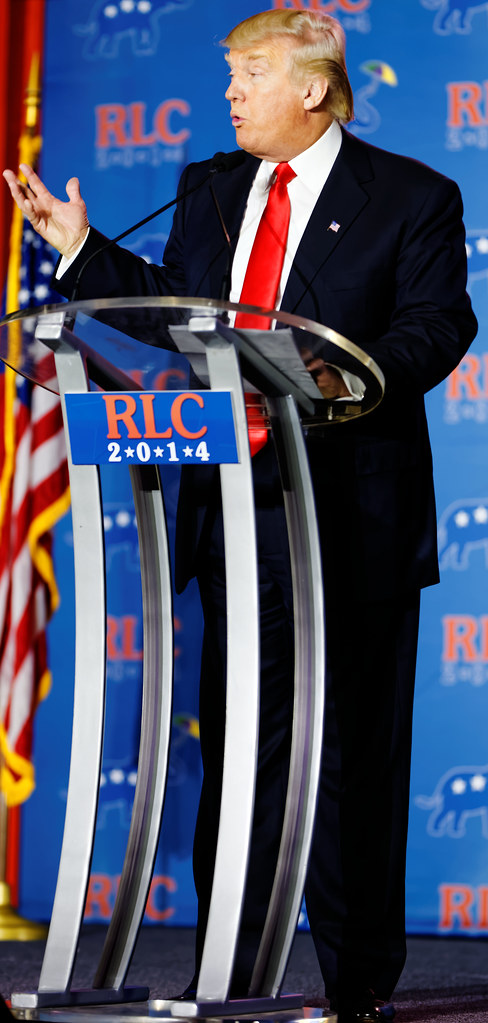
The U.S. Midterm elections in 2026 resulted in a sweeping Democratic victory, marking a significant shift in political power. President Donald Trump's Republican Party lost control of both the House and Senate, ending his majority in Congress. This loss has left Trump as a "lame duck" leader, with limited legislative influence.
The election outcome reflects widespread voter dissatisfaction with Trump's administration. His policies and leadership style faced strong opposition, particularly on economic and social issues. With Democrats now in control, they have vowed to rein in Trump's influence and push forward their own agenda.
Trump has expressed frustration over the election results, suggesting he may use executive orders to bypass congressional resistance. However, his ability to enact major policies is now constrained. The Democratic majority is expected to limit his power, particularly in areas such as trade and domestic policy.
This political shift follows a pattern of declining support for Trump among key voter groups. His administration's handling of economic issues, immigration, and social policies has been widely criticized. The midterm results indicate a growing public desire for change, with Democrats positioned to lead the next phase of U.S. Governance.
The election outcome also signals a broader realignment in American politics. Trump's influence within the Republican Party is diminishing, as evidenced by the departure of some key allies. The Democratic victory is seen as a turning point, potentially reshaping the political landscape for years to come.