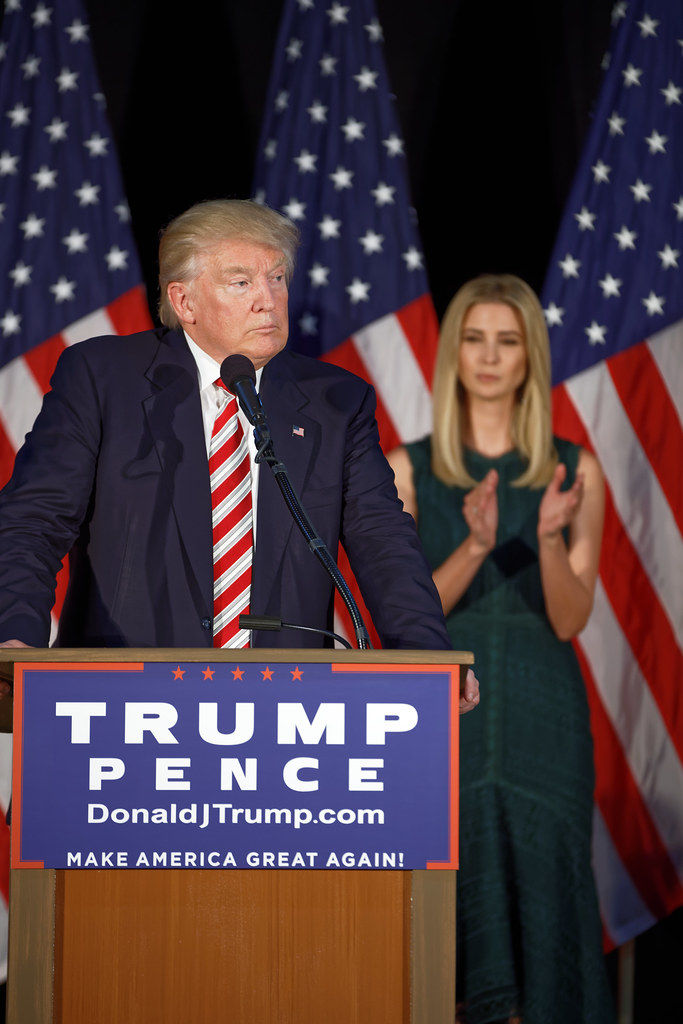
The U.S. Midterm elections of 2026 resulted in a sweeping Democratic victory, marking a significant shift in political power. The Democratic Party gained control of both the House of Representatives and the Senate, reversing the Republican majority established under President Donald Trump. This outcome reflects a strong voter rejection of Trump's administration, particularly his policies and leadership style.
The election results have prompted reactions from various international actors, including Iran, which celebrated the outcome as a rebuke of the Republican Party and Trump. Iranian officials expressed optimism that the election results could influence regional dynamics, though the full impact remains to be seen. Meanwhile, Canadian officials have mixed reactions, acknowledging the Democratic sweep but expressing skepticism about whether it will significantly alter public perception of the U.S. Amid ongoing trade tensions.
This election marks a pivotal moment in American politics, with the Democratic victory signaling a potential realignment of power. Governor Ron DeSantis of Florida, a prominent Republican, has distanced himself from Trump, describing the Republican defeat as a political disaster that could weaken the party for years. The outcome also raises questions about the future direction of U.S. Foreign policy, particularly in light of Trump's previous confrontational stance toward Iran and other global powers. The election results underscore a growing divide between the president and key members of his own party, setting the stage for potential internal realignments within the Republican Party.