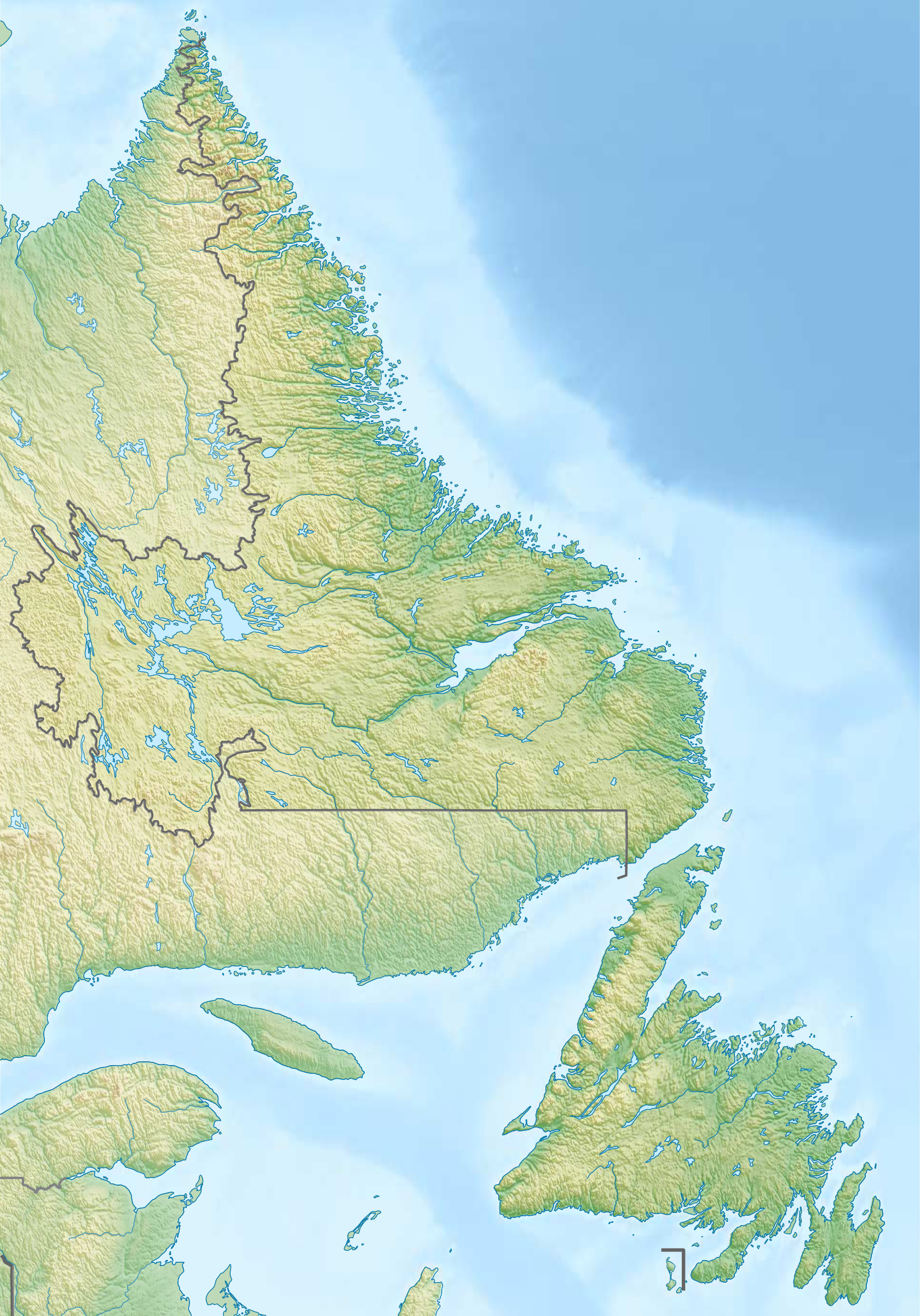
Cabinet minister Lela Evans reported travel disruptions in her northern Labrador district, linking them to climate change. The issue arose after a school sporting event was cancelled due to unsafe conditions. Evans highlighted the impact of changing weather patterns on local infrastructure and transportation.
The Torngat Mountains region has seen increased rainfall and unpredictable weather, leading to the closure of key routes. Local authorities noted that ice roads, crucial for winter travel, are becoming less reliable. This has affected both residents and visitors.
Climate change has been a growing concern in Labrador, with officials observing earlier springs and longer summers. The region’s economy, reliant on tourism and seasonal activities, is facing increasing pressure. Evans emphasized the need for adaptive strategies to manage the changing environment.
The situation reflects broader challenges faced by Arctic and subarctic regions. Scientists have warned of accelerated warming in these areas. In Labrador, the effects are visible through shifting ecosystems and disrupted traditional travel routes.
Local communities are working with provincial agencies to develop contingency plans. These include alternative transportation options and improved weather monitoring. The minister’s comments underscore the urgent need for climate resilience in remote regions.