The departure of lawyer Bernard Coffey as an advisor to the Newfoundland and Labrador government on the Churchill Falls power agreement has sparked questions among local political leaders. Coffey, who had been advising the government on the new power deal between Quebec utilities and the province, left his position under circumstances that have drawn public scrutiny.
The timing of Coffey’s exit has become a focal point in discussions about the government’s handling of the agreement. Political analysts note that the departure occurs as negotiations over the power deal continue, raising concerns about the stability of the process. Coffey’s role was critical in shaping the legal and regulatory framework for the agreement, which involves significant energy infrastructure investment.
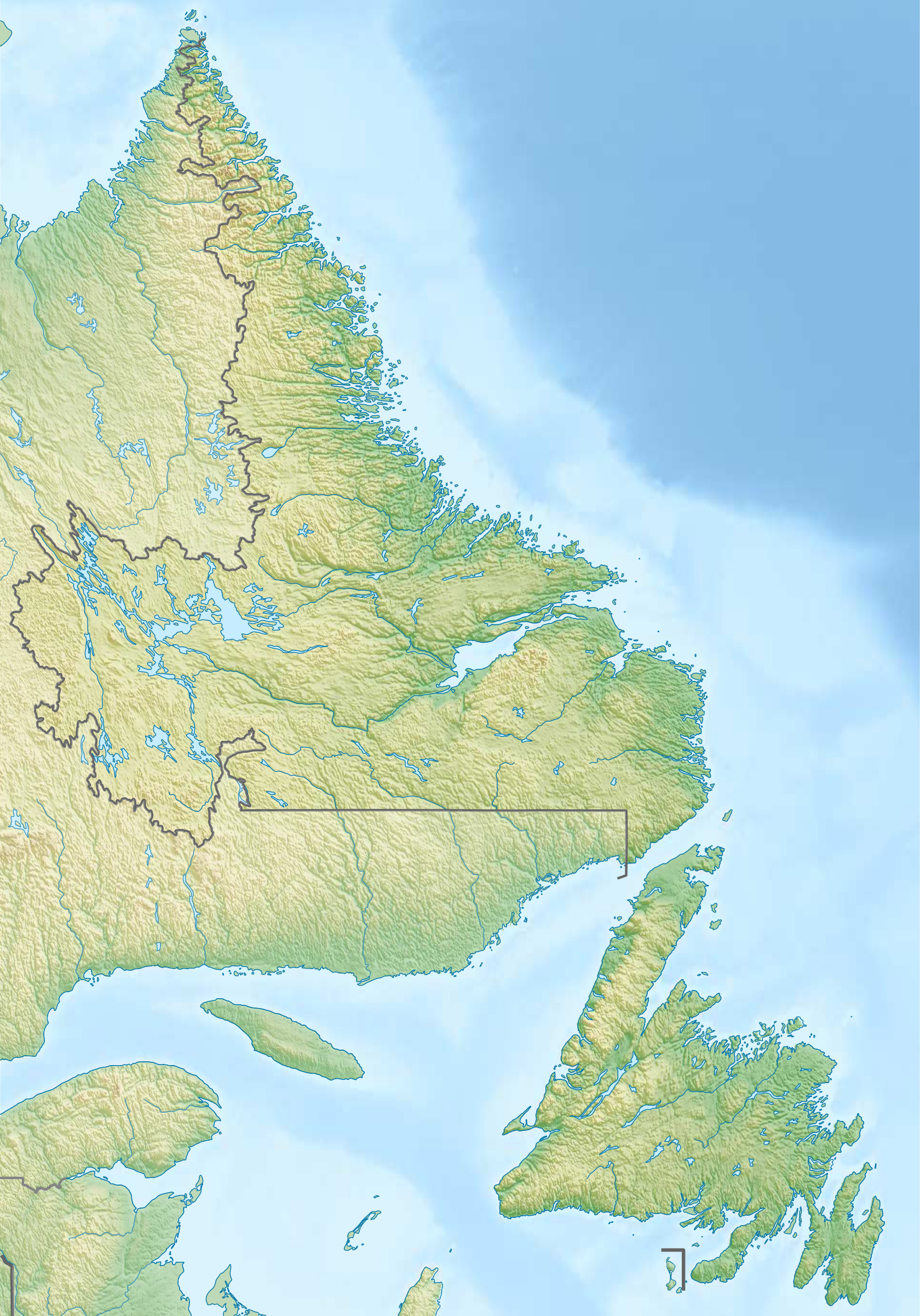
The Churchill Falls project, located in Labrador, is a major economic initiative with potential impacts on both Newfoundland and Quebec. The power agreement aims to facilitate the development of hydroelectric resources, but the political dynamics surrounding the advisory role have intensified. Local officials are now calling for transparency regarding the reasons behind Coffey’s departure and its implications for the ongoing negotiations.
This situation highlights the growing political tensions around the project, which has long been a point of contention between the provinces. The departure of a key advisor adds to the complexity of the negotiations, with stakeholders closely monitoring how the government will proceed without his expertise. The outcome of these discussions could have lasting economic and political consequences for the region.